Agenda
*Schedule is subject to change.


*Schedule is subject to change.
Rebecca Rockey
Head of Quantitative Insights and Principal Economist
Cushman & Wakefield
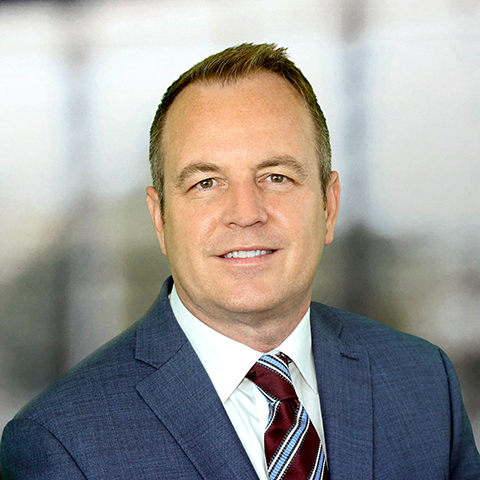
Rebecca Rockey is the head of quantitative insights and principal economist at Cushman & Wakefield. In her decade at the firm, her responsibilities have evolved significantly. Her focus spans economics, demographics, financial markets and commercial real estate – both at the macro and micro levels. She manages the production of national/metro-level commercial real estate forecasts for various property types across the Americas, develops predictive econometric and statistical models to enhance the firms’ analytical capabilities and contributes to numerous white papers, webinars, media requests and industry/client presentations. In her global role, she extends this expertise to other regions. More recently, she has become a strategic internal and external advisor across service lines and regions, connecting research themes to actionable and tactical views on the market.
Capital costs, investor expectations and deal structures continue to shift across the industrial landscape. This session provides a clear-eyed view of where equity and debt are flowing, how macroeconomic forces and policy pressures are influencing returns, and what underwriting assumptions are changing. Panelists will offer practical insight into navigating today’s capital environment and positioning portfolios for the next investment cycle.

From the Northeast to the Mid-Atlantic and Southeast, industrial markets across the Eastern U.S. are evolving at different speeds. This panel of market leaders will analyze migration patterns, supply pipelines, absorption trends and shifting capital flows to identify where fundamentals remain strongest and where caution is warranted. Leave with a sharper understanding of regional demand drivers, development risks and the strategies investors are deploying to stay ahead of the next phase of the cycle.

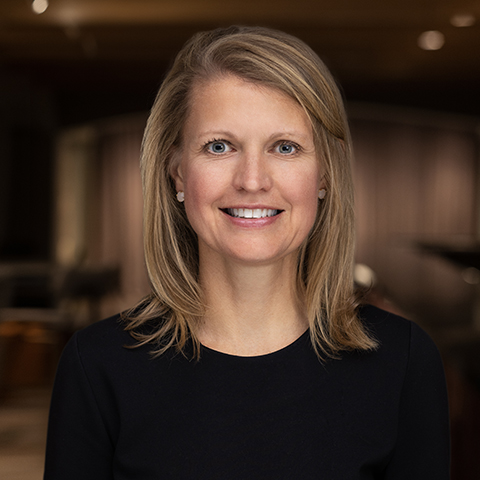
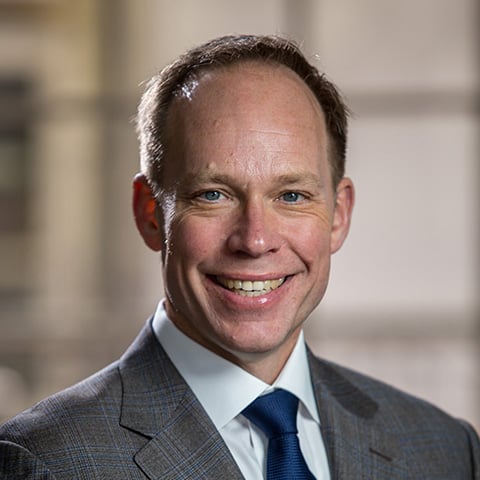
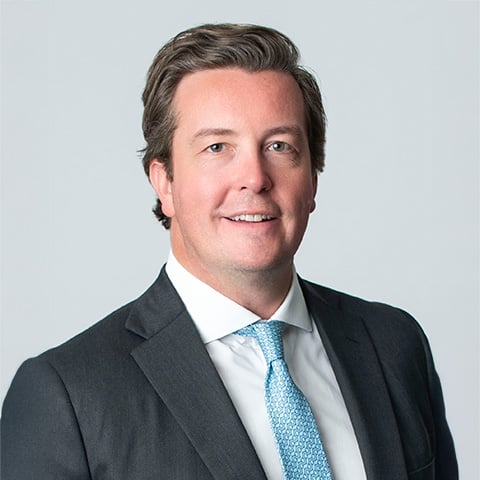
Environmental challenges are no longer isolated compliance issues; they are portfolio-level business risks. From ESG reporting and remediation to resilience and energy performance, speakers will outline an integrated, enterprise-wide approach to managing environmental risk across industrial assets. Through real-world case studies, panelists will demonstrate how aligning environmental health and safety, due diligence sustainability and engineering under one framework can reduce liability, streamline vendor oversight and unlock long-term value. Leave with practical steps to connect environmental strategy with capital planning, investor expectations and asset performance.
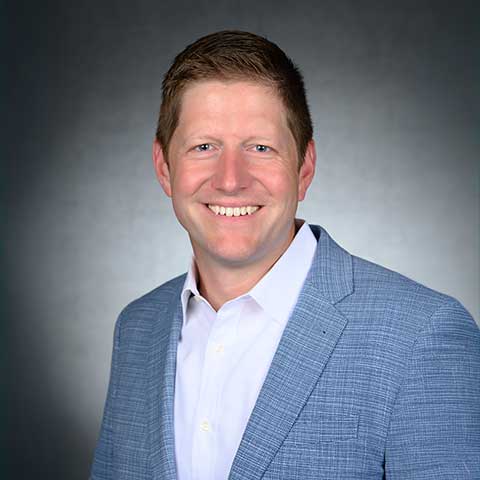
Small-bay industrial, also known as shallow-bay, or multitenant buildings typically under 100,000 square feet, has emerged as one of the most resilient and supply-constrained segments of the market. Serving a diverse base of contractors, light manufacturers, service providers and last-mile users, these infill assets benefit from limited new construction, steady demand and strong rent growth. Examine why investors are increasingly viewing small-bay industrial as both a growth strategy and a defensive hedge. Panelists will discuss supply barriers, lease rollover advantages and portfolio positioning for this key market segment.
What does it take to deliver one of the largest cross-laminated timber (CLT) warehouses under construction in the U.S.? A powerhouse panel will break down the strategy behind a 2.4 million-square-foot, robotics-ready distribution facility. From entitlement and community engagement to managing more than 500 workers on-site daily, panelists will explore how sustainability goals, construction logistics, automation and schedule pressures intersect at scale. Discover how collaboration across the capital stack is redefining what’s possible in large-format industrial development.
Can industrial architecture be creative, contextual and cost-effective? Using the adaptive reuse of the Crye Precision headquarters at the Brooklyn Navy Yard as a case study, explore how constraints – including landmark status, operating costs, security and MEP demands – can spark innovation. The project team will share how thoughtful planning, landscape integration and logistical precision transformed a 100,000-square-foot former shipbuilding facility into a dynamic, modern industrial workplace. Learn how disciplined programming and smart systems design can elevate tenant experience and brand identity without blowing the budget.


Supply chains are evolving faster than ever, reshaping how and where companies occupy industrial space. This session examines the structural shifts in domestic and global distribution, from inventory strategies to nearshoring and automation, and what they mean for building design, site selection and portfolio strategy. Hear how occupier priorities are changing and what developers and investors must understand to future-proof assets in an increasingly dynamic logistics environment.

Industrial Outdoor Storage (IOS) has quickly evolved from a fragmented niche into a nationally recognized investment category. Driven by e-commerce, infrastructure demand and limited supply, IOS is attracting significant institutional capital. This session explores what differentiates IOS from traditional industrial; how underwriting and valuation metrics are maturing; and where opportunity remains as the sector scales. Hear why this once-overlooked asset class is now firmly on the radar of major investors and what comes next.

In land-constrained East Coast markets, creativity is becoming a competitive advantage. This session examines how developers are repositioning underutilized properties, such as former event venues, aging offices and other functionally obsolete assets into Class A industrial facilities. Panelists will discuss entitlement hurdles, structural challenges, capital considerations and design strategies that make conversions viable. Learn where adaptive reuse makes sense, how to underwrite the risk, and why repositioning legacy assets may be one of the most compelling industrial plays in dense urban markets.

Headlines tout a manufacturing renaissance, but what’s actually materializing on the ground? Backed by research and data, this session delivers a fact-based look at reshoring, tariffs, incentives and the upcoming USMCA review across the U.S., Canada and Mexico. Which sectors are expanding? Which projects are stalling? And how much announced investment has translated into real square footage and jobs? Gain clarity on regional winners and laggards and what labor, power, logistics and policy realities mean for future industrial development.

Artificial intelligence and Proptech are rapidly transforming the due diligence process by cutting timelines, increasing accuracy and reducing transaction risk. Speakers will explore how technology is automating environmental reviews, lease abstraction, zoning analysis and document management across the Northeast industrial market. Learn where efficiencies are already being realized, where regulatory nuances still require human judgment and how emerging tools are reshaping underwriting and deal execution.


Location: Rooftop at Exchange Place (1 Exchange Pl, Jersey City)
Ticketed event; $149 USD | $209 CAD
Connect with other conference attendees as you take in a breathtaking panoramic view of the Manhattan skyline at Rooftop at Exchange Place, located on the rooftop of Hyatt House Jersey City. Not included in conference registration; separate ticket required.